Reserva Nacional de Fauna Andina Eduardo Avaroa (I)
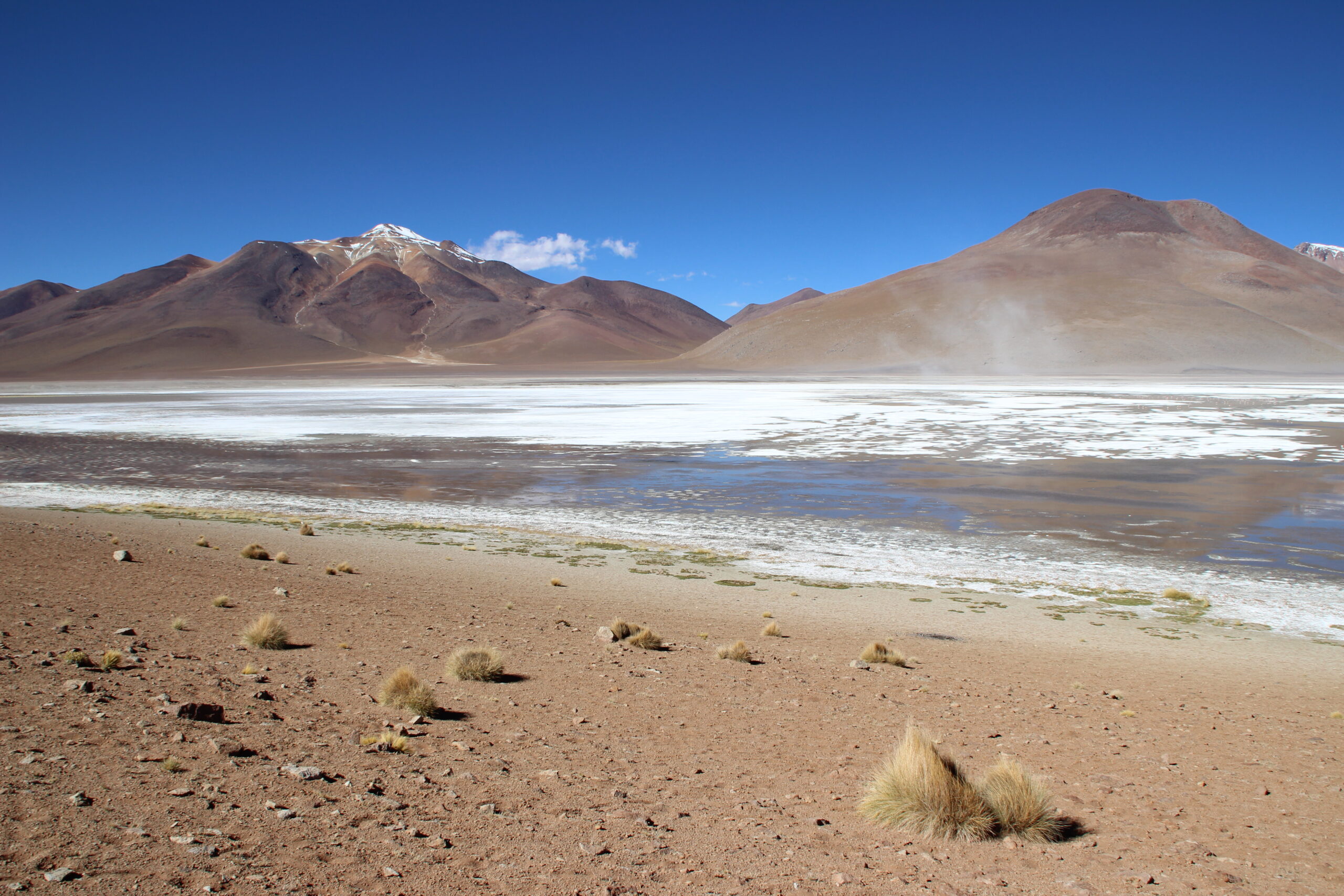
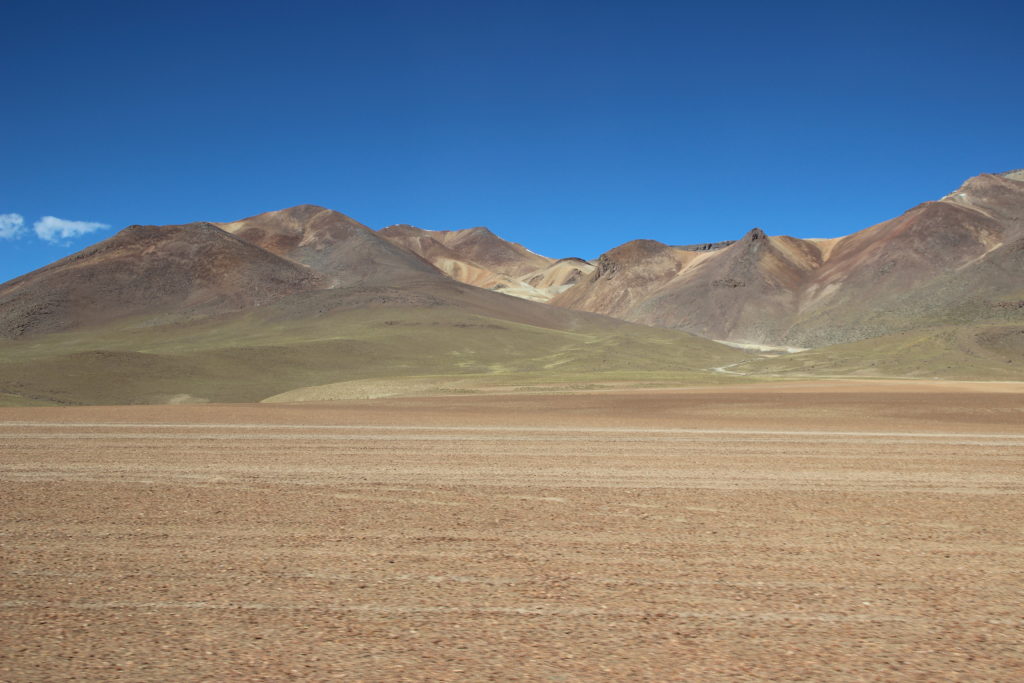
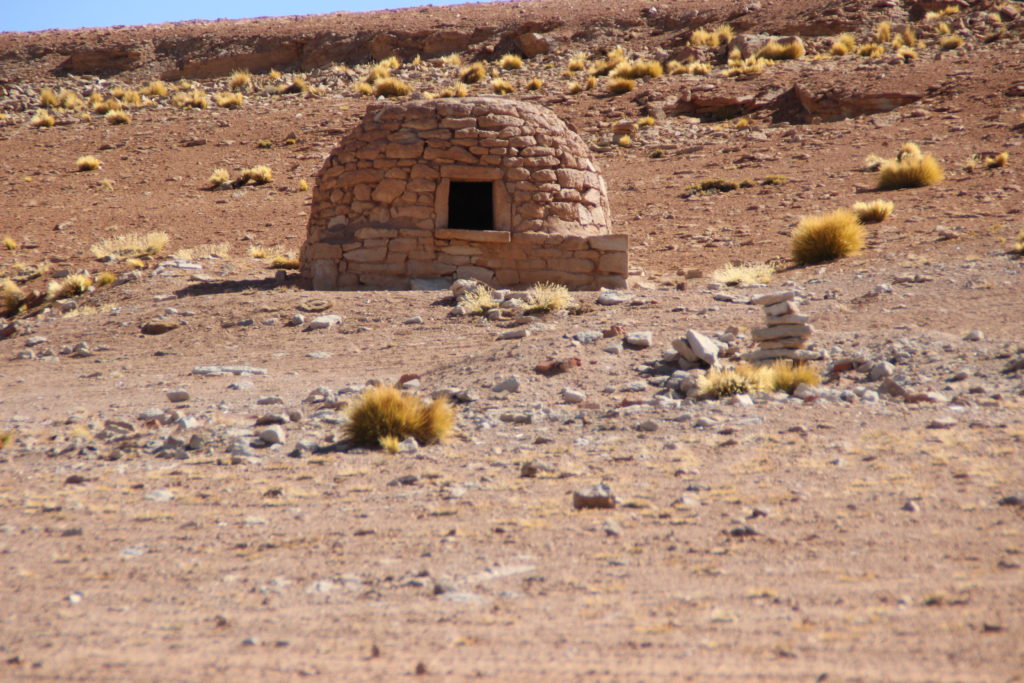
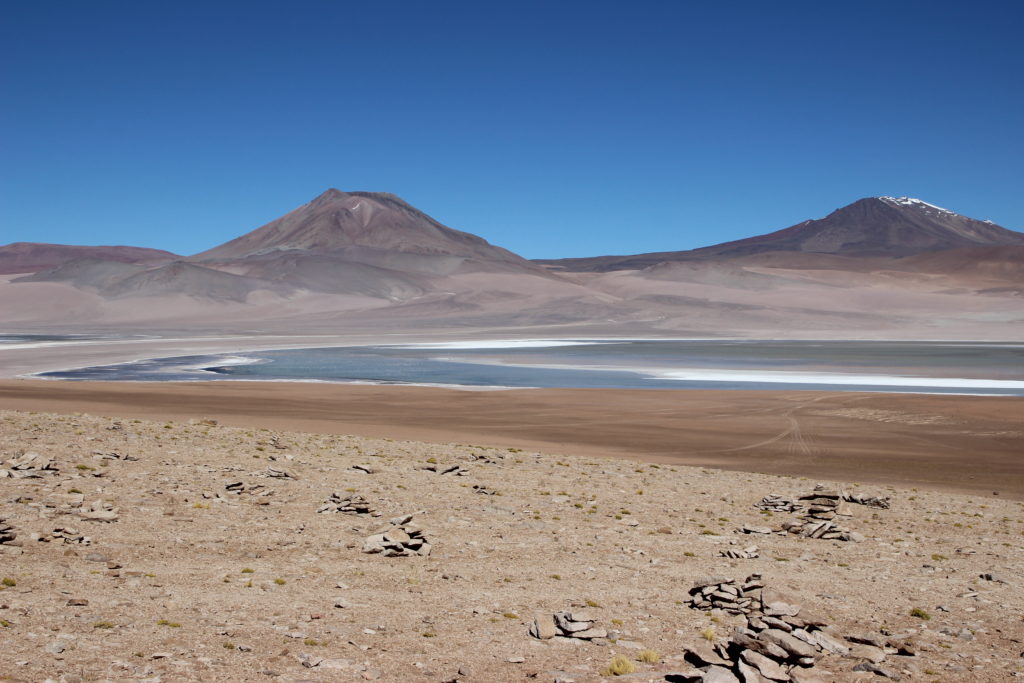
After visiting the surreal Uyuni salt desert, we headed south towards the Eduardo Avaroa Andean Fauna National Reserve. The beautiful landscapes in this remote part of Bolivia surprised us even more with lots of wild animals, unbelievable rock formations and active volcanoes.
***
Disclaimer: please note that this post includes some affiliate links. This means that, at no additional cost for you, I earn a commission if you make a purchase. In case you have any question about the companies advertised here or my status as an affiliate, please do not hesitate to contact me.
***
Browse the prints for sale in my shop!
Day 2
Our driver Valerio and his son in law picked us up at the hotel in the morning and we drove to Uyuni in order for them to load the car with all the food and supplies that we needed for this 2-day road trip. By the way, the town of Uyuni itself is not worth visiting but our first stop at the train cemetery was interesting. In the past, this place served as a distribution hub for the trains carrying minerals on their way to the Pacific Ocean ports such as Antofagasta in Chile. The train lines were built by British engineers who arrived near the end of the 19th century. The train cemetery is cluttered with old, rotting trains, a symbol of man-made greatness and also decay.
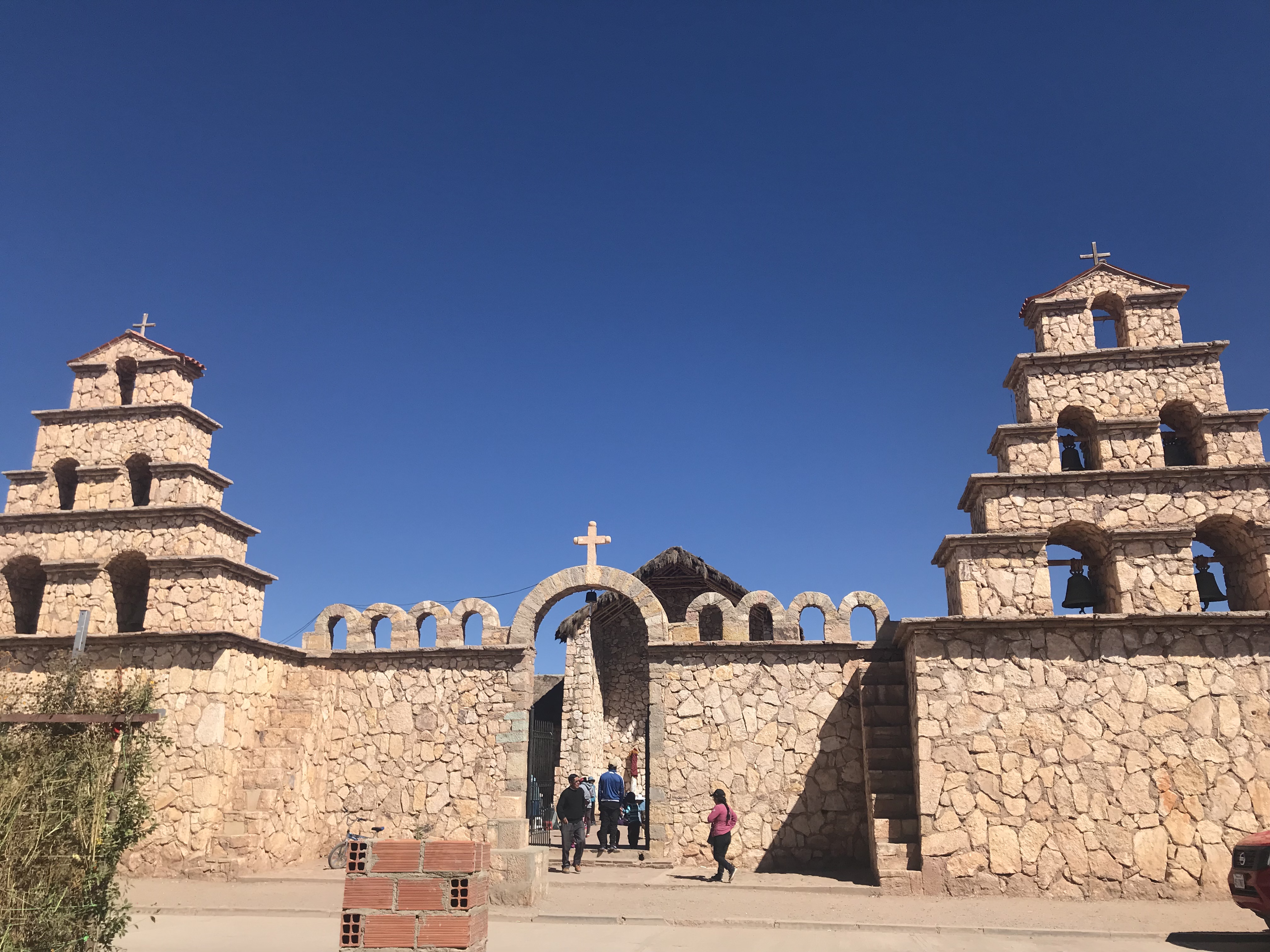
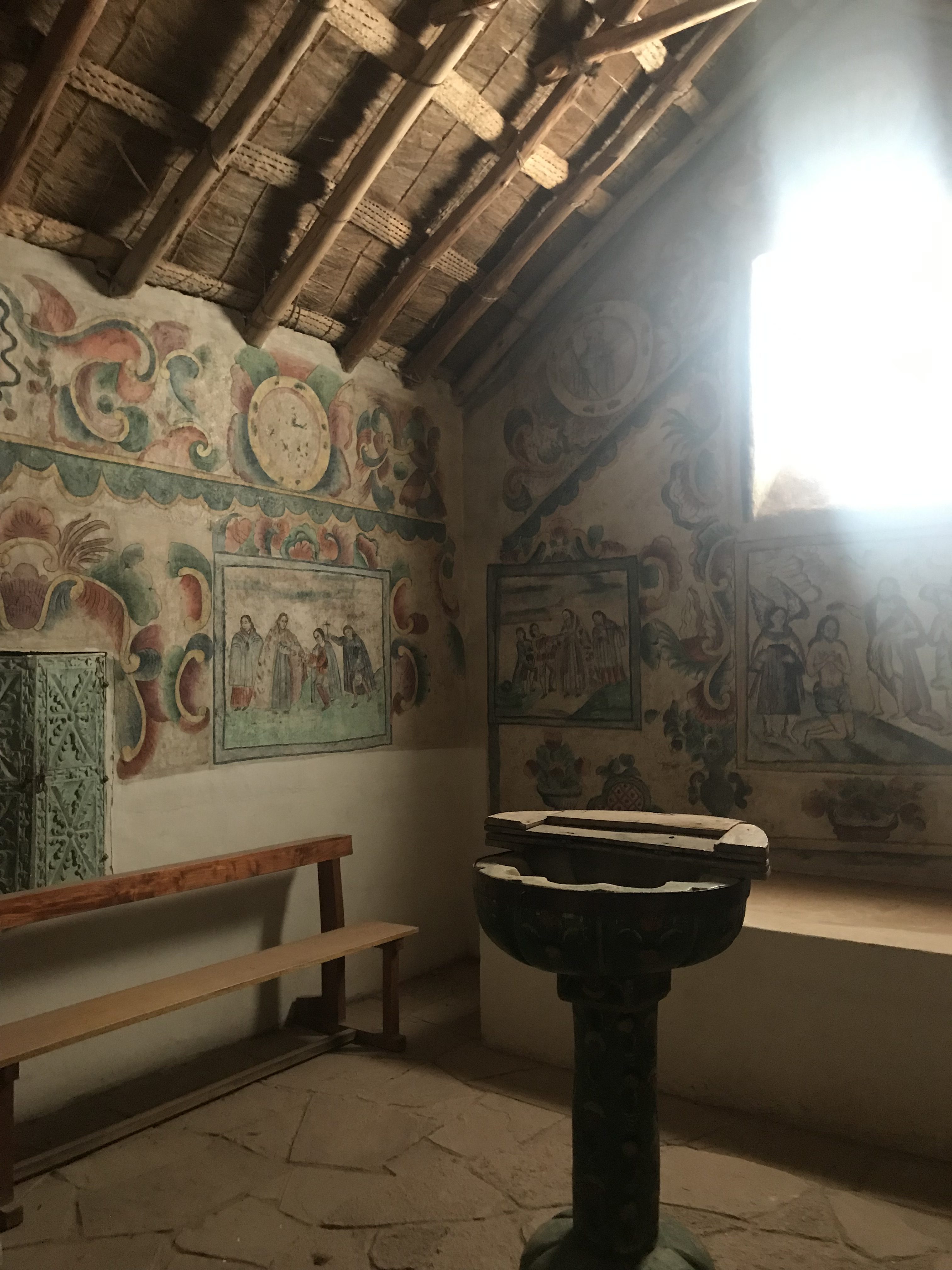
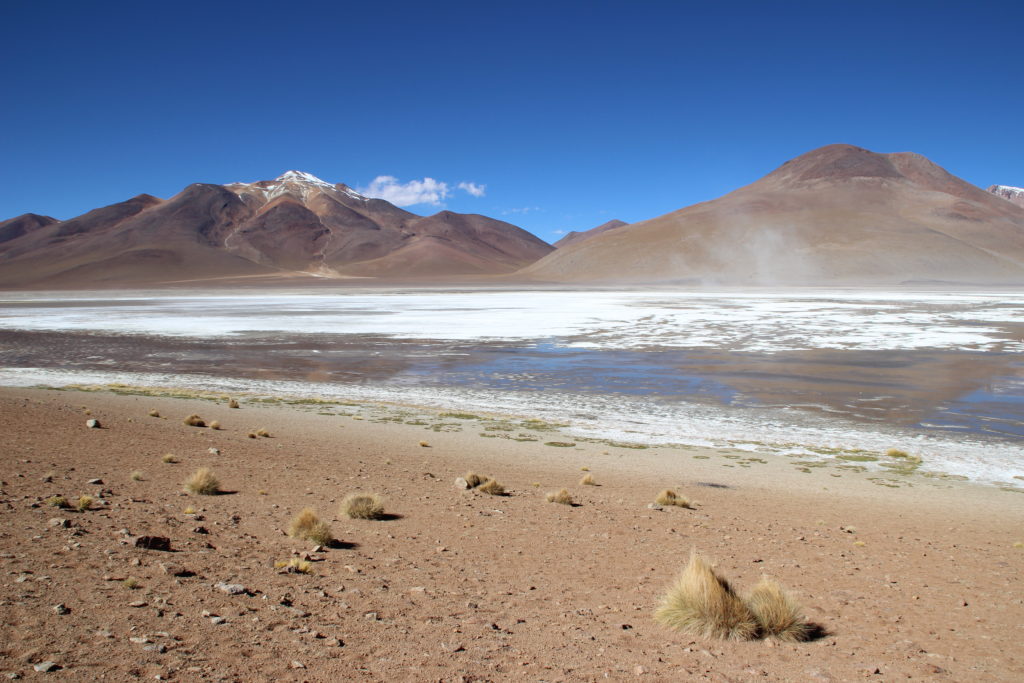
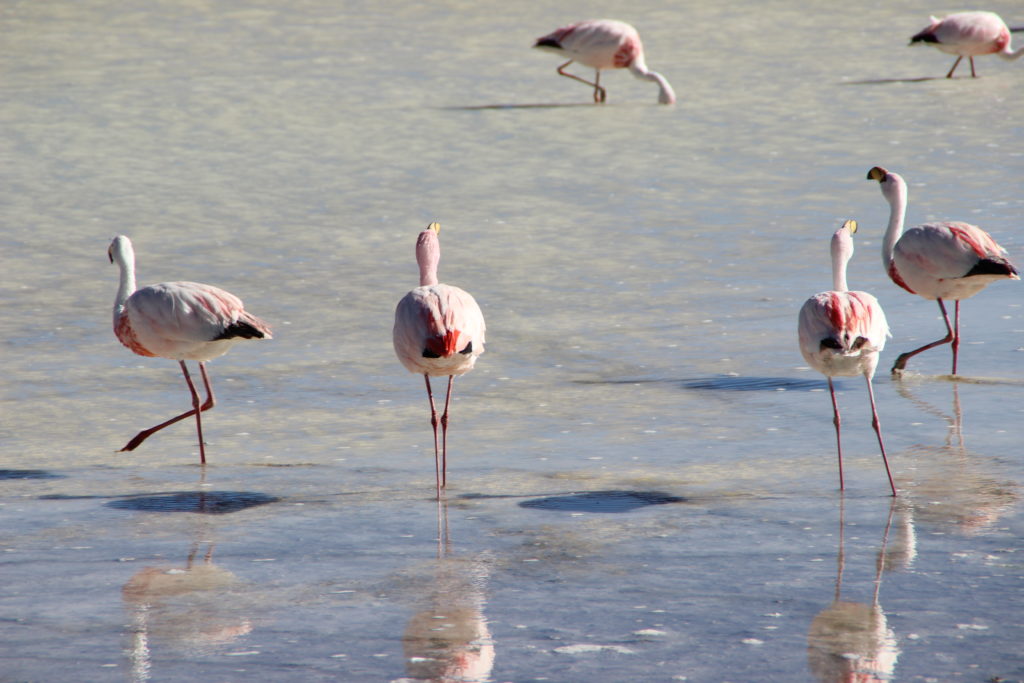
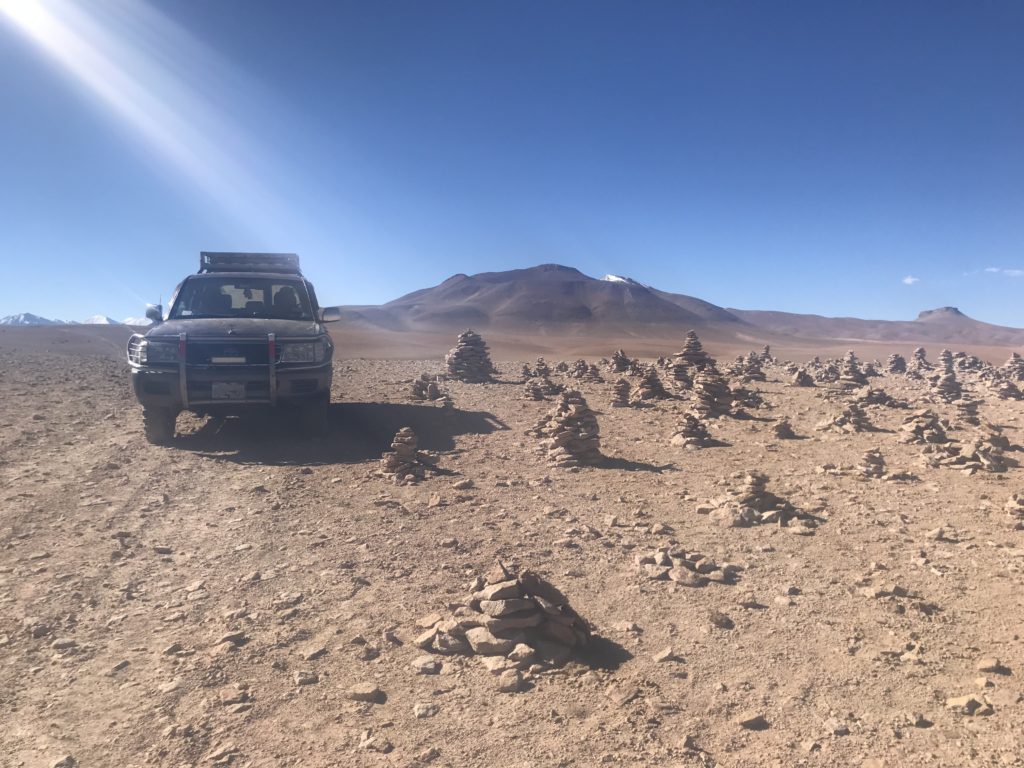
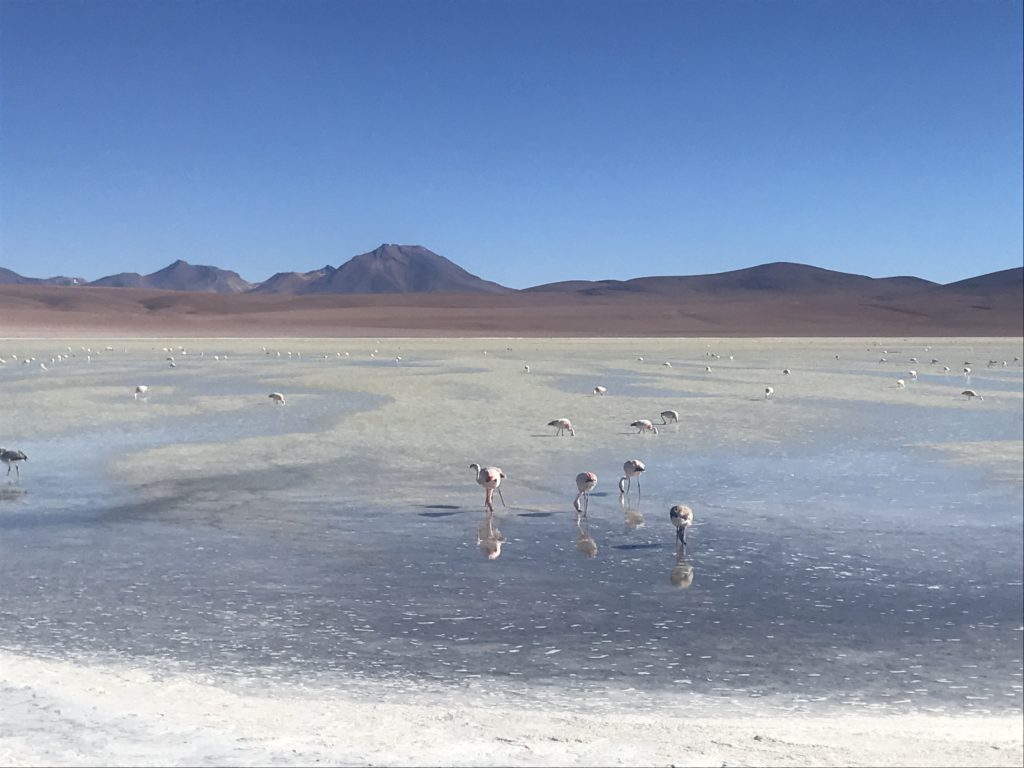
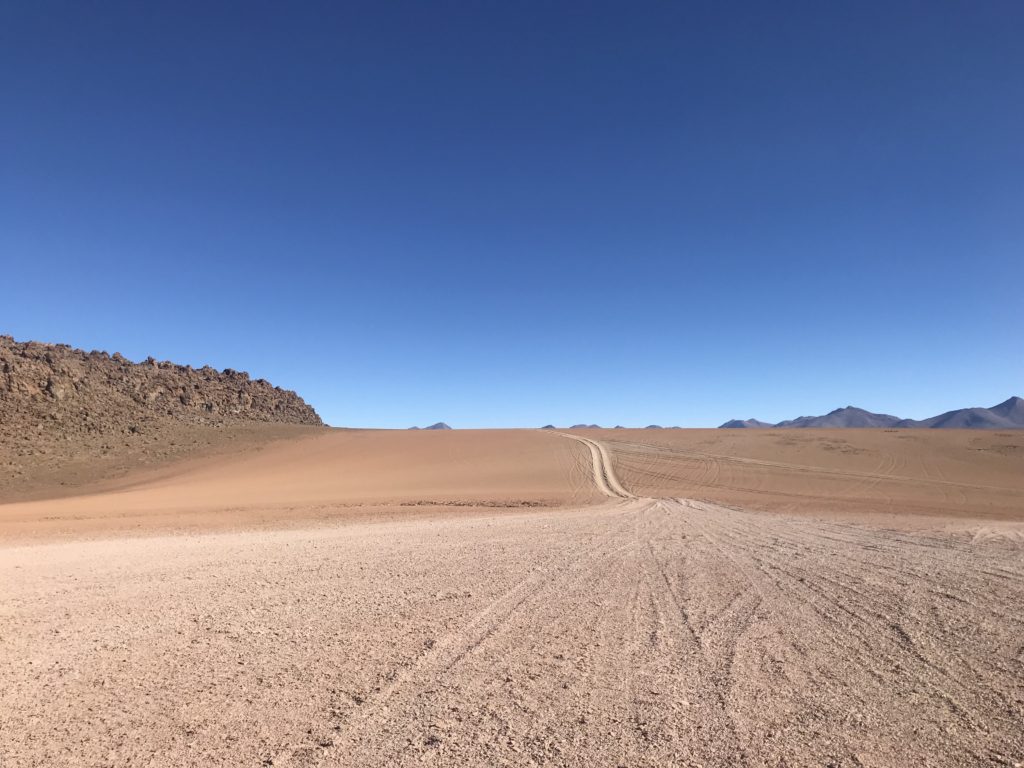
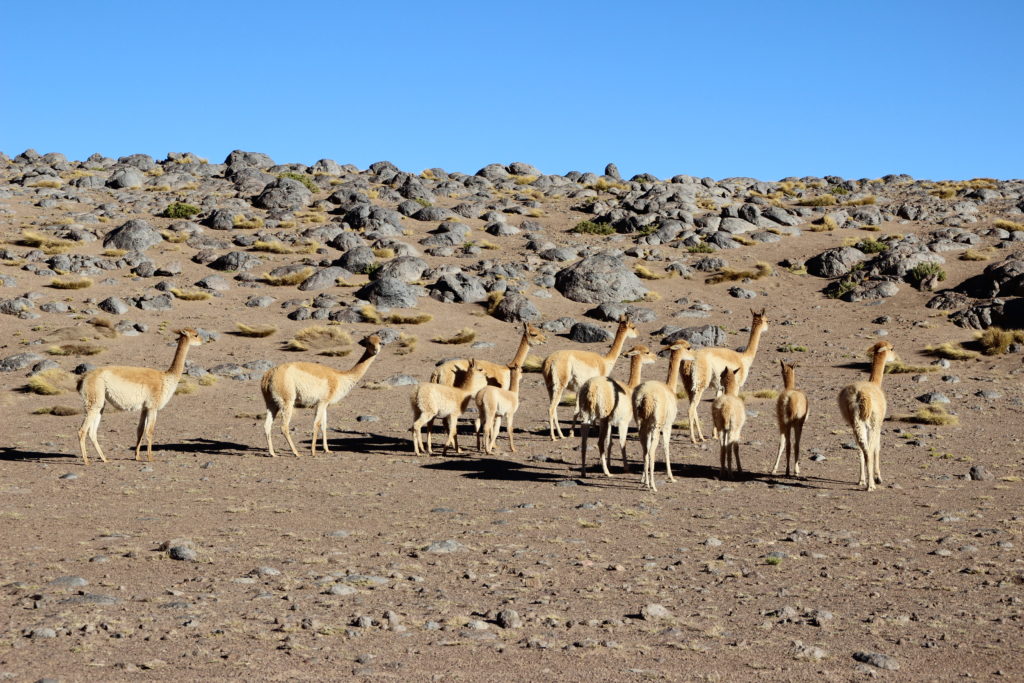
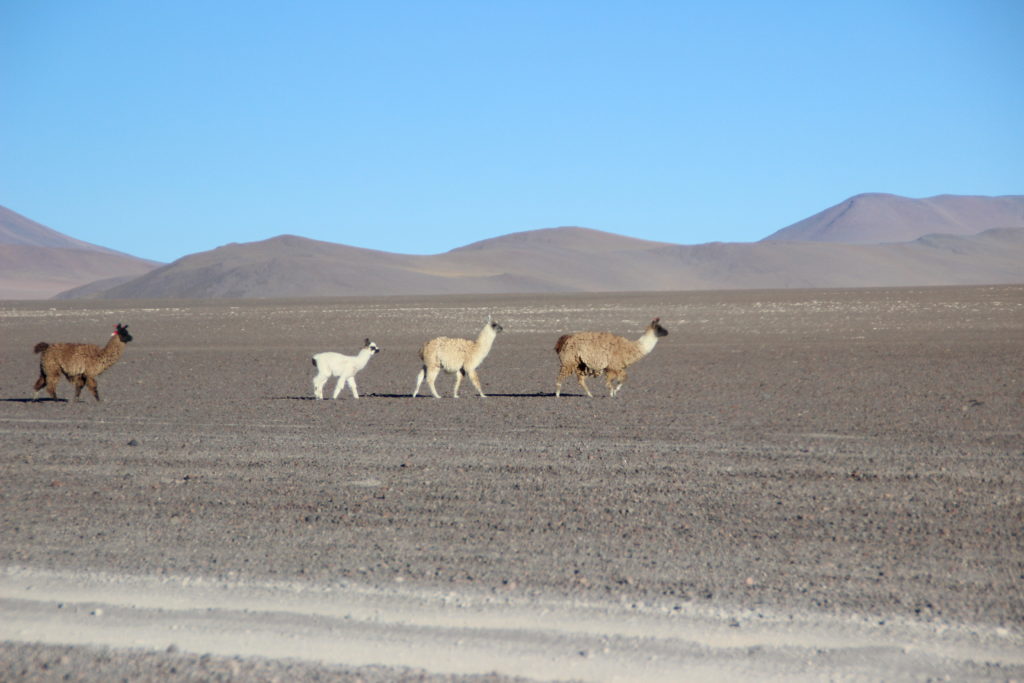
On our way to the Avaroa Reserve, we started seeing what would be a habit for the next two days: lots of funny wildlife (namely llamas and vicunas) as well as native flora such as tola and yareta. Along the desert landscape, we visited the tiny village of San Cristóbal, in the Lípez province, famous for its oil deposits and rustic church. After driving through the beautiful Southern altiplano, we explored the Northern end of the Valley of Rocks. We picknicked outdoors close to the nearby Laguna Negra (black lagoon).
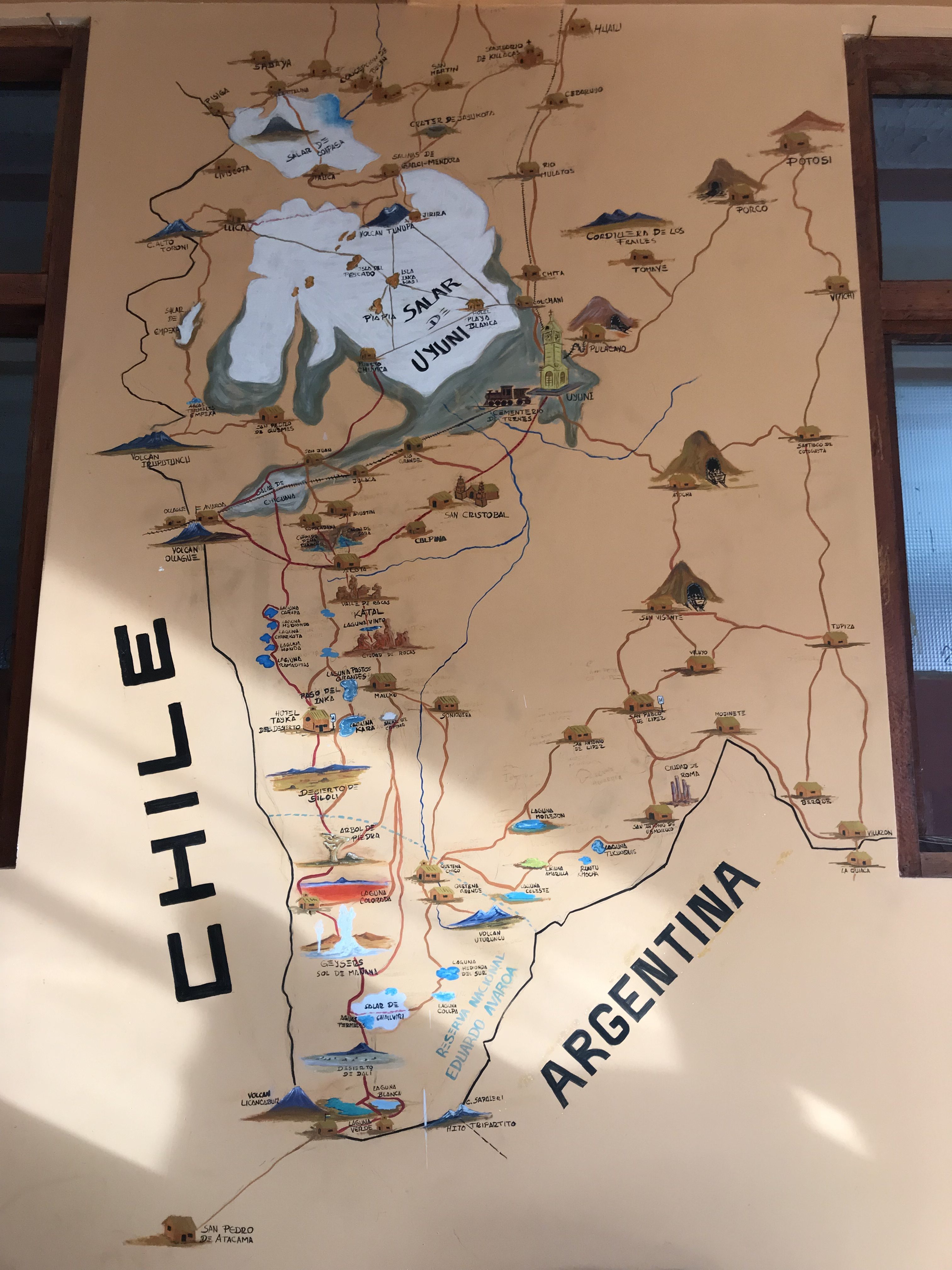

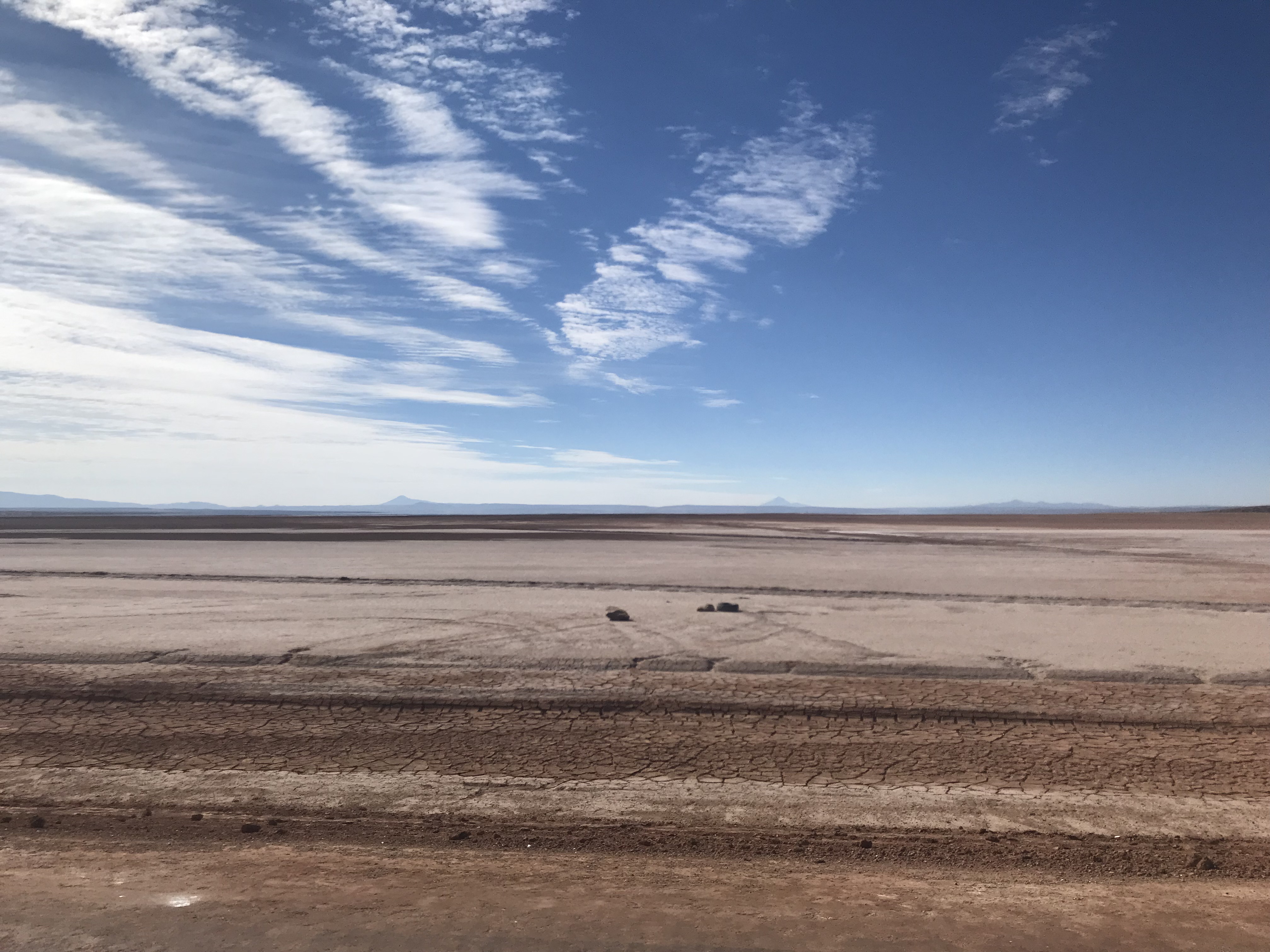
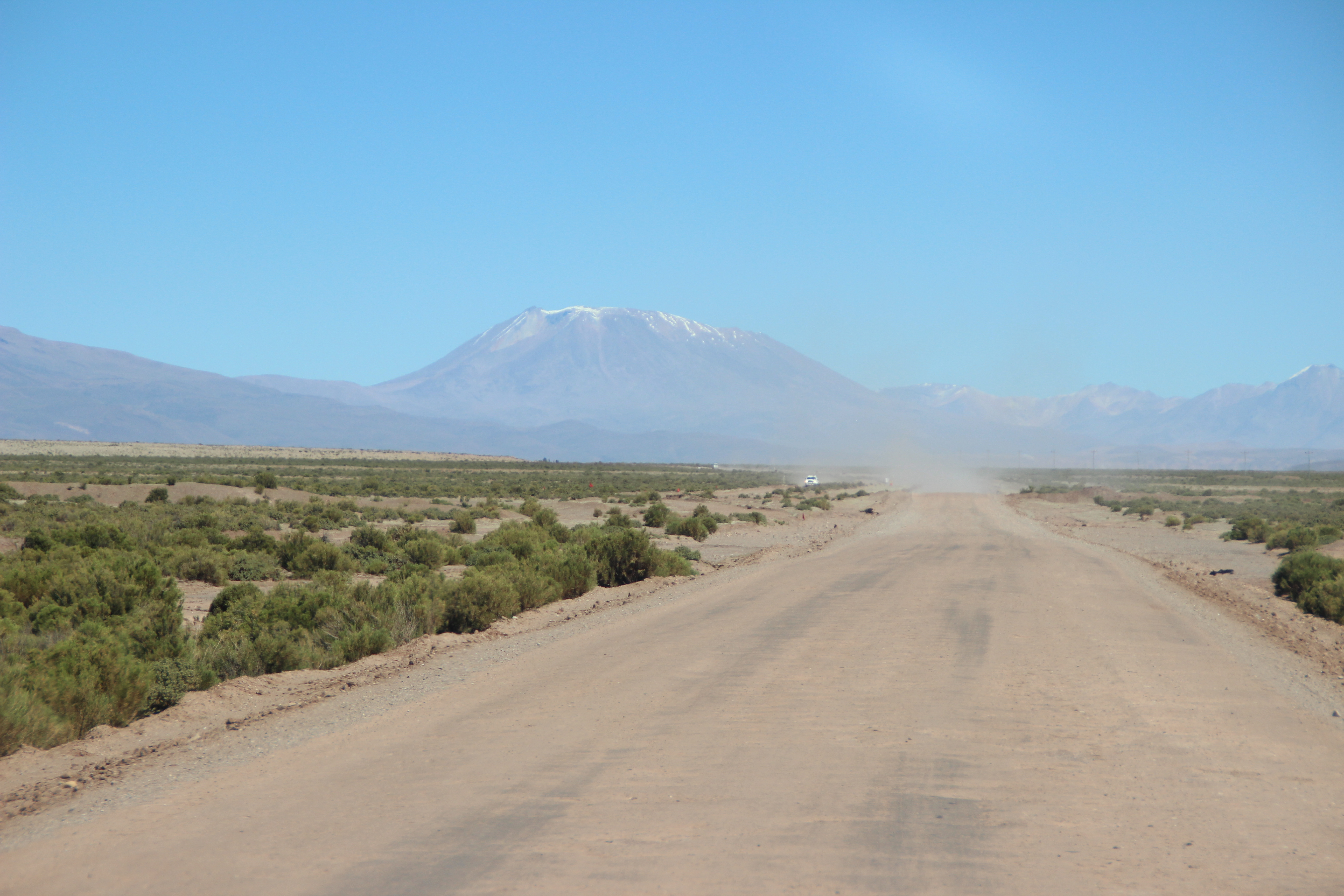
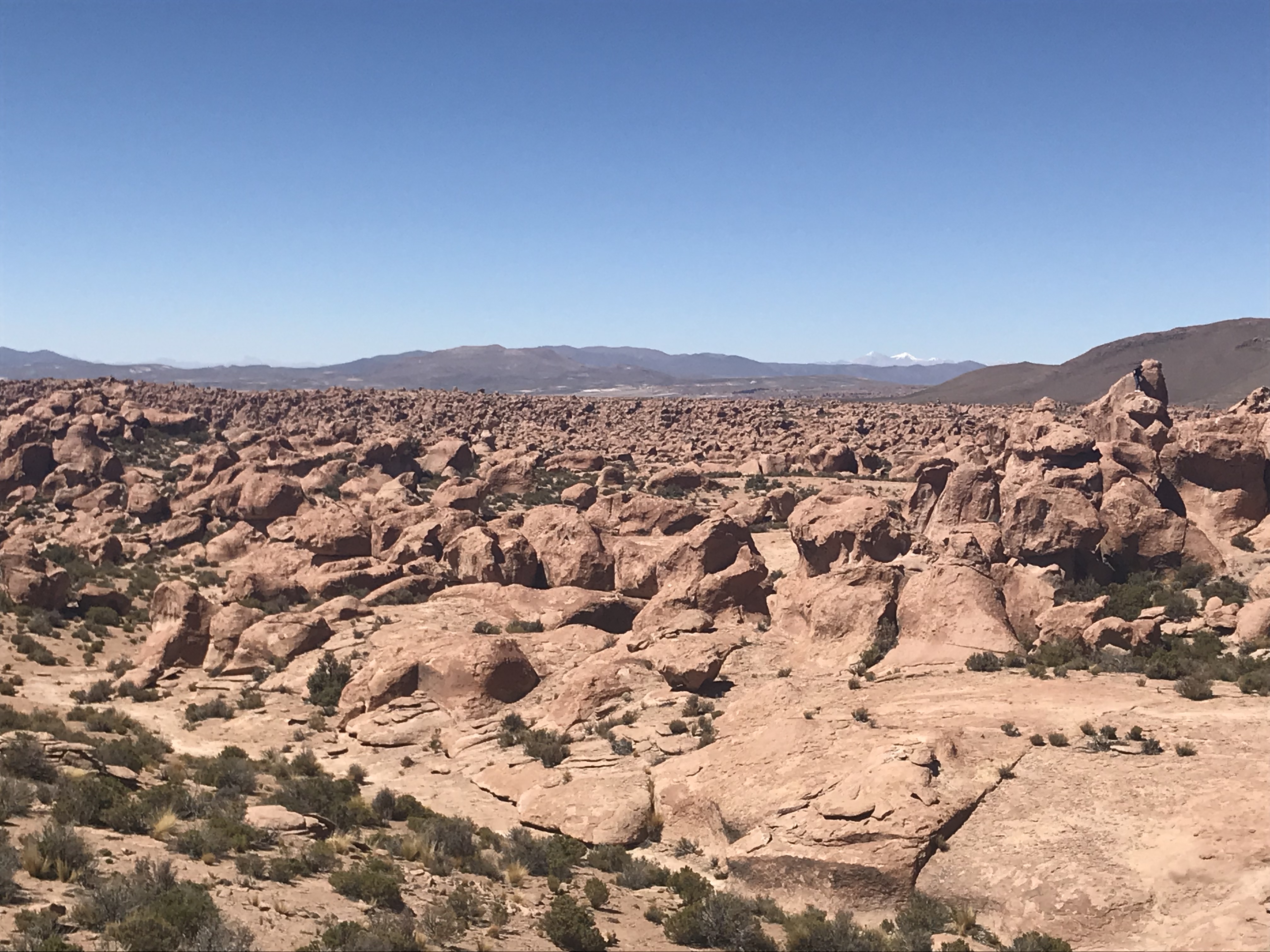
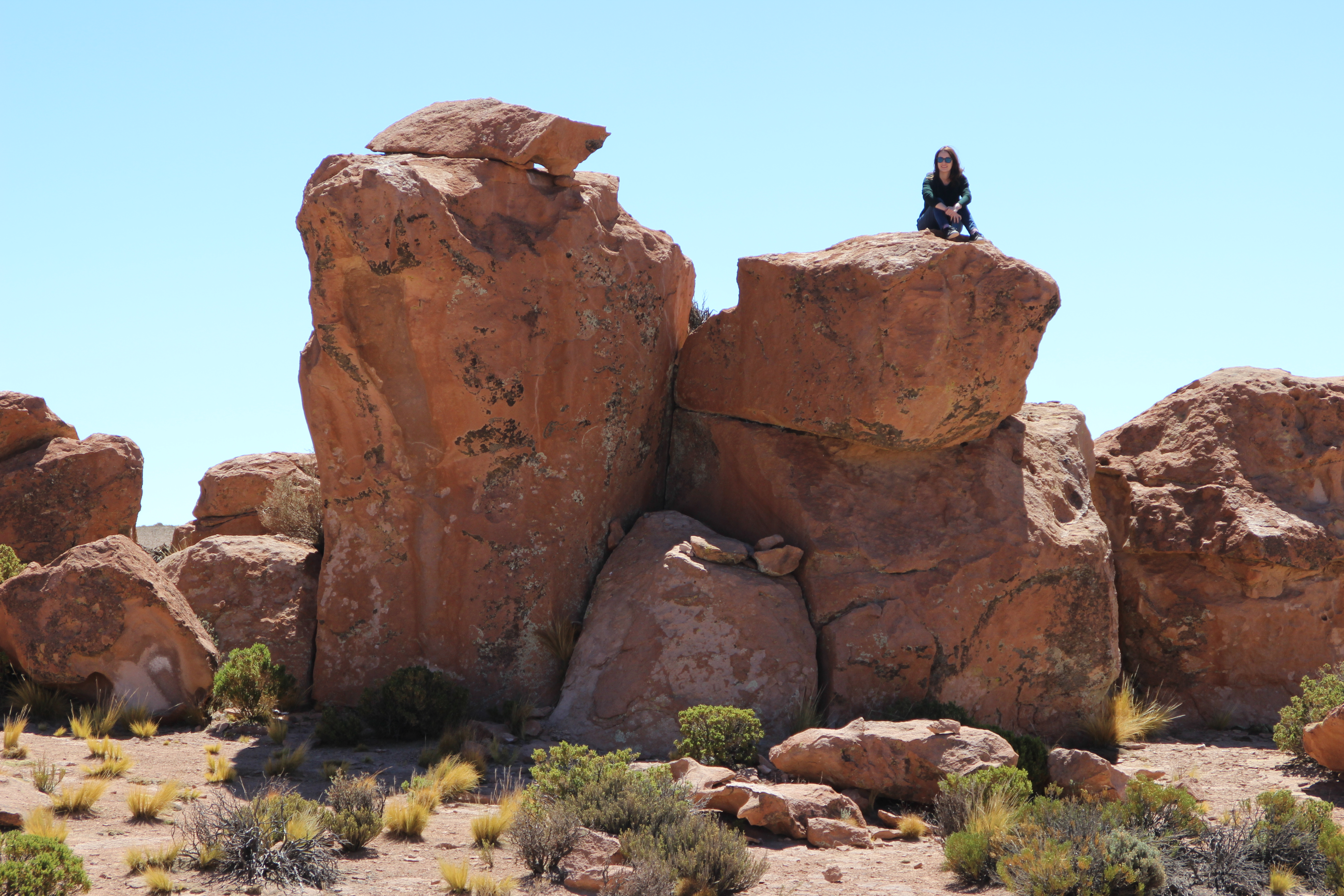
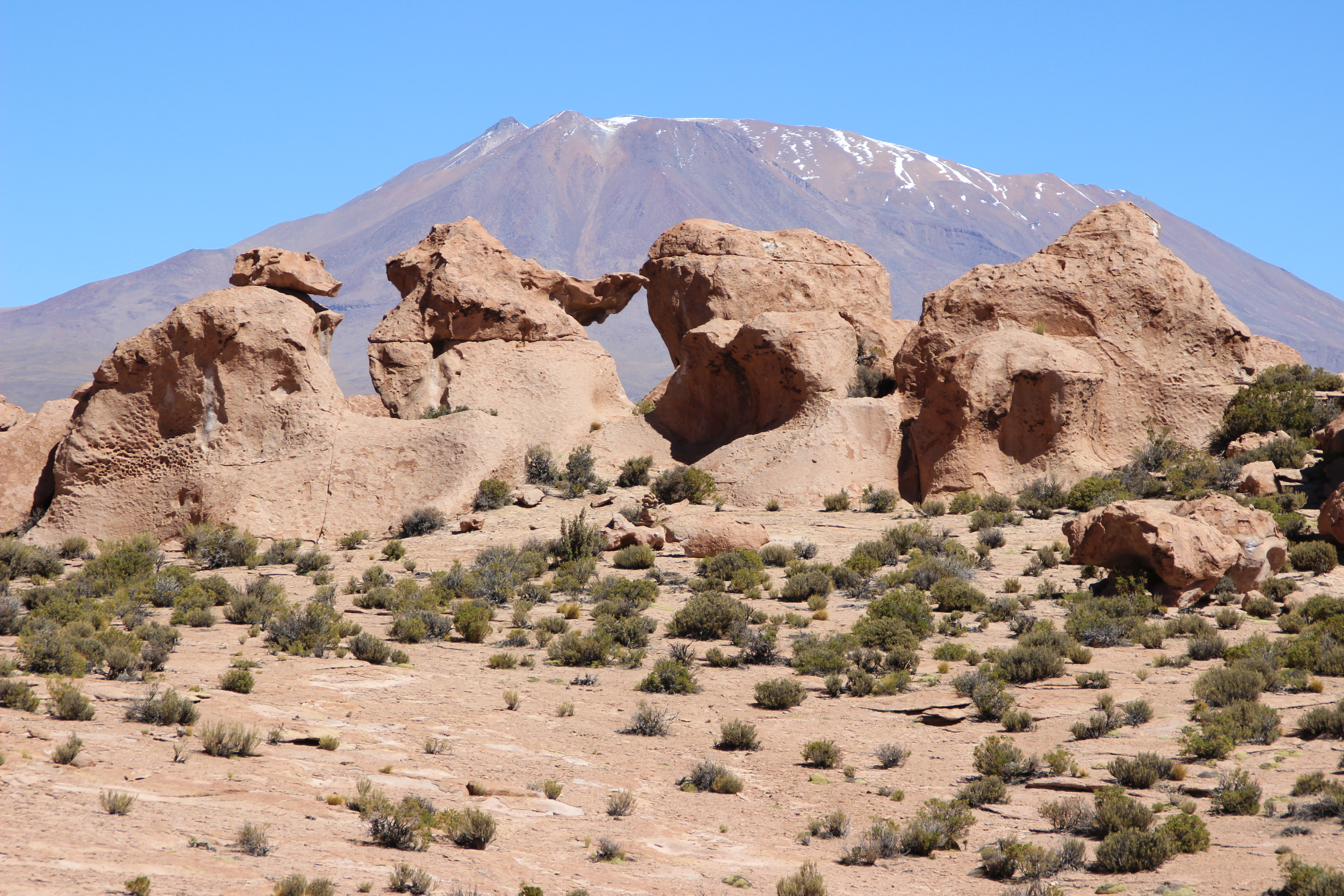
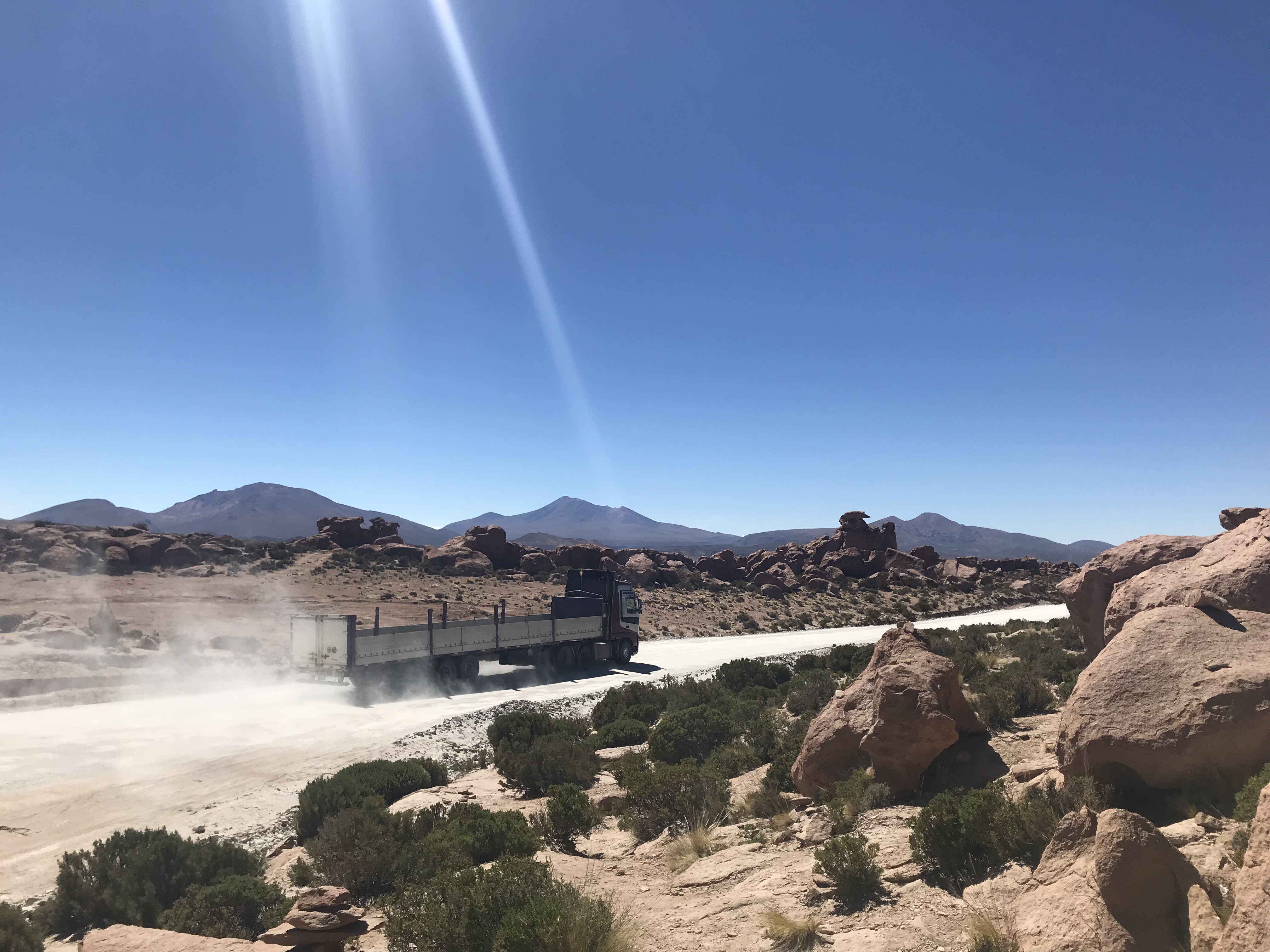
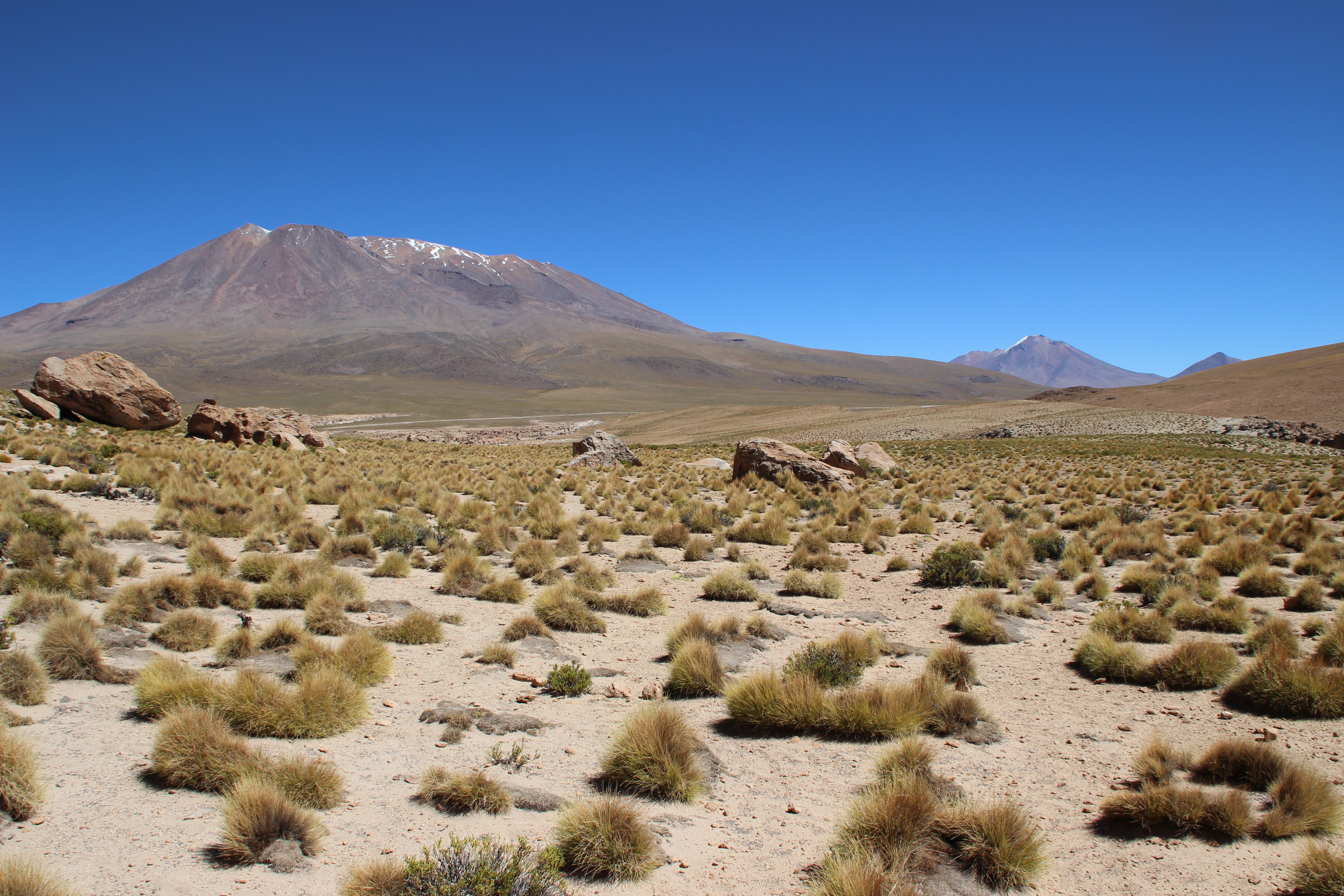
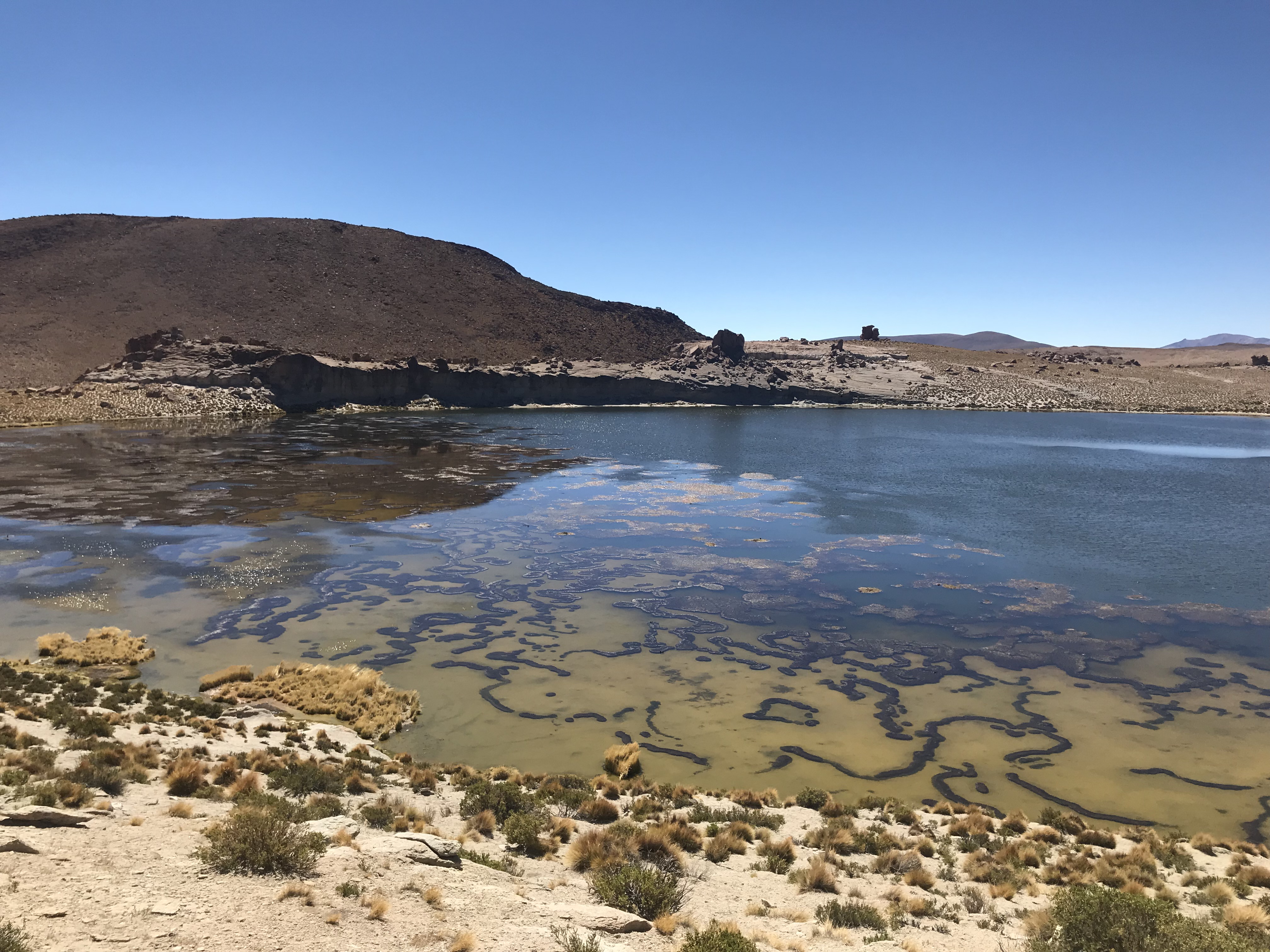
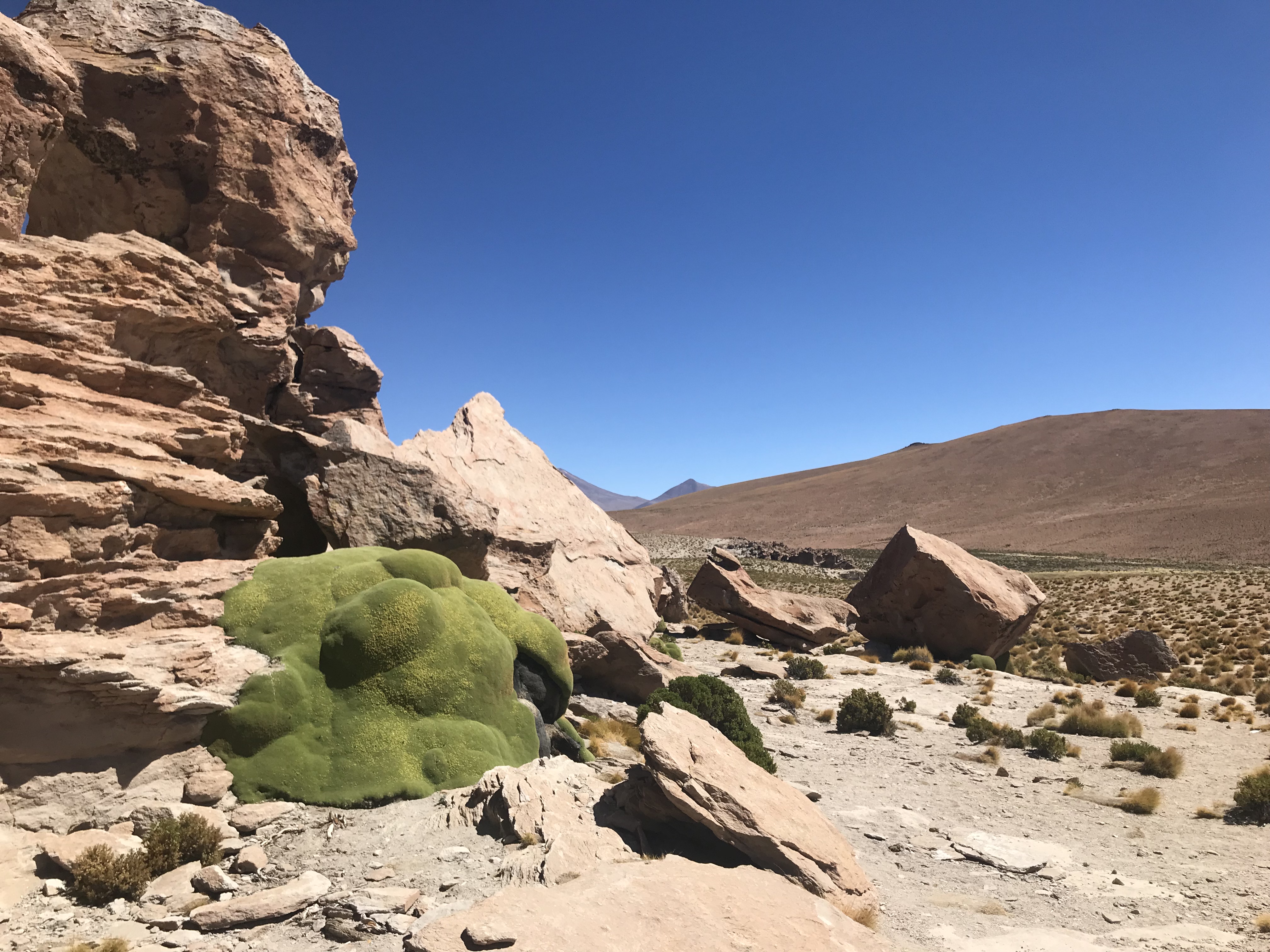
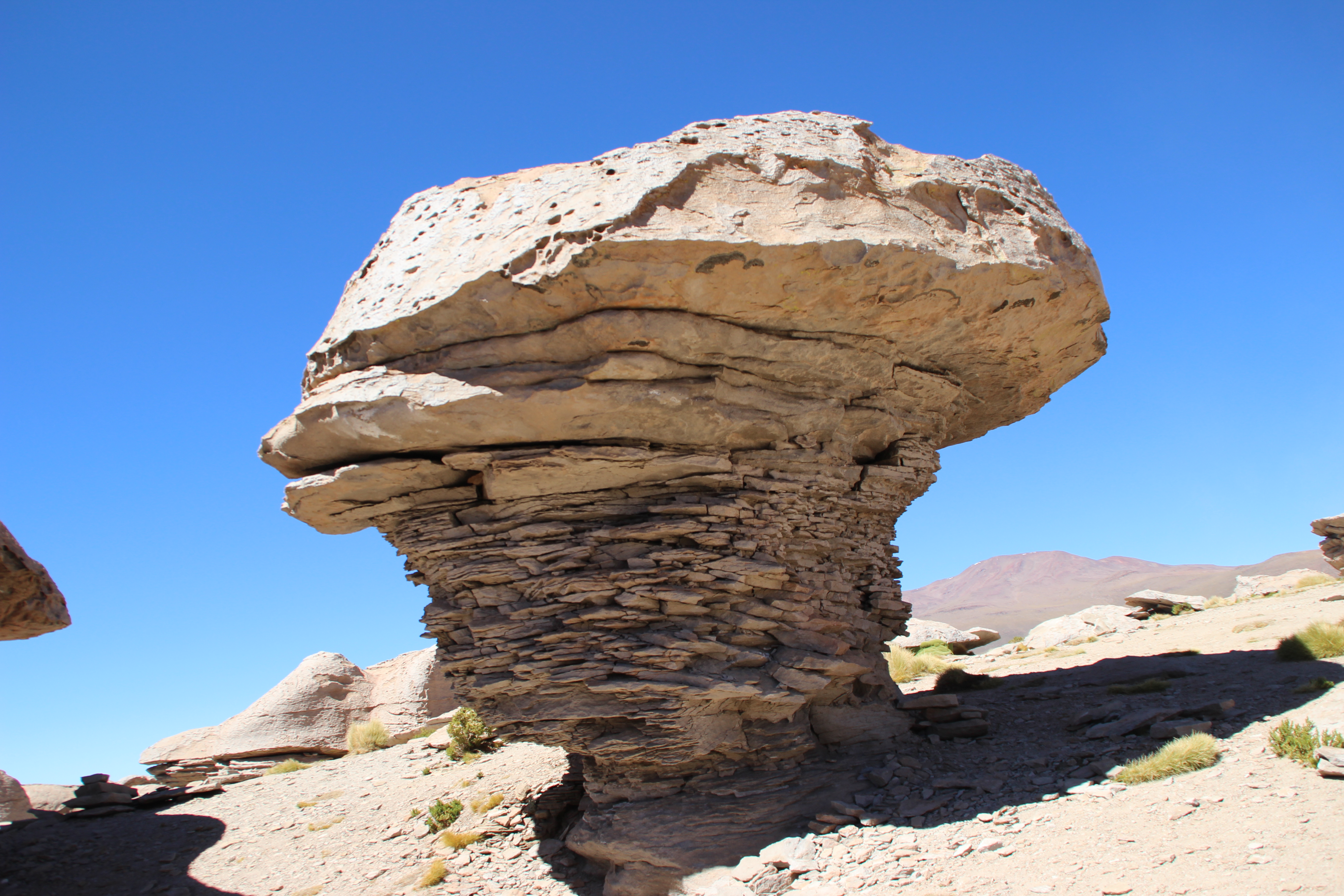
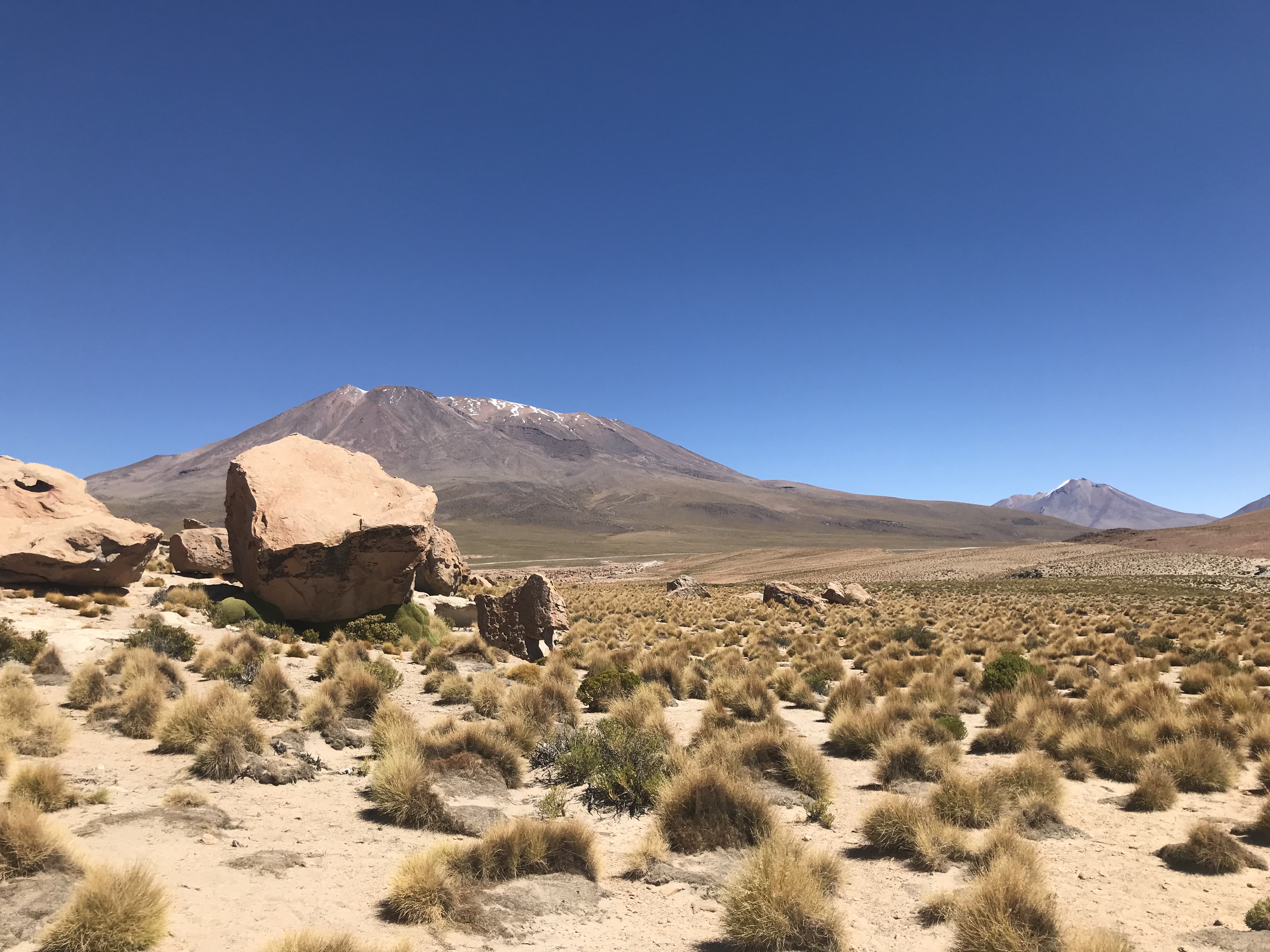
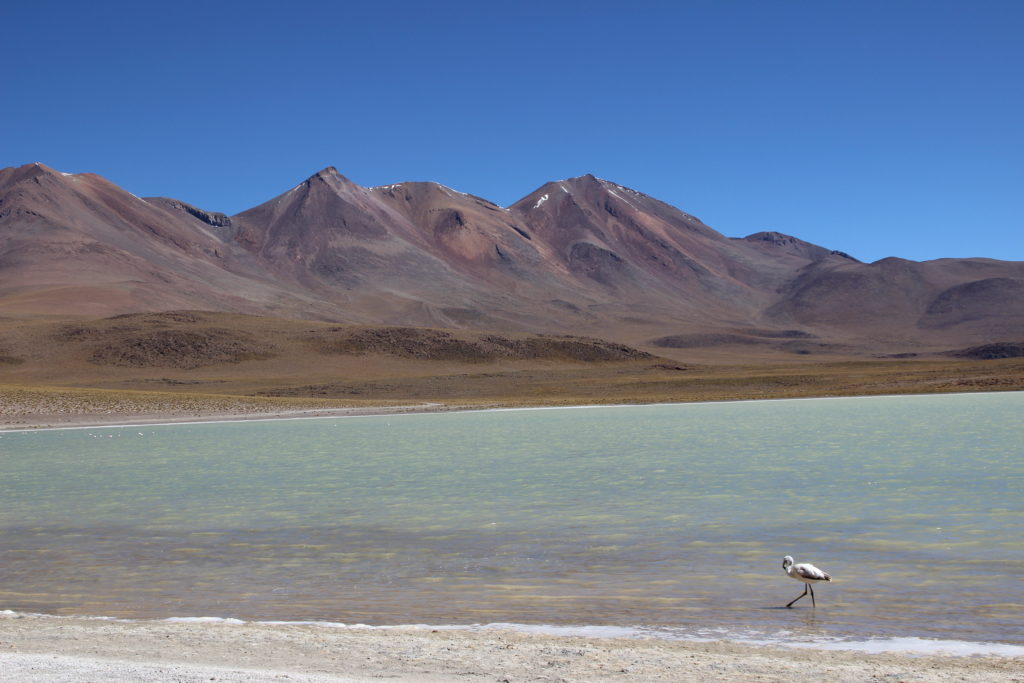
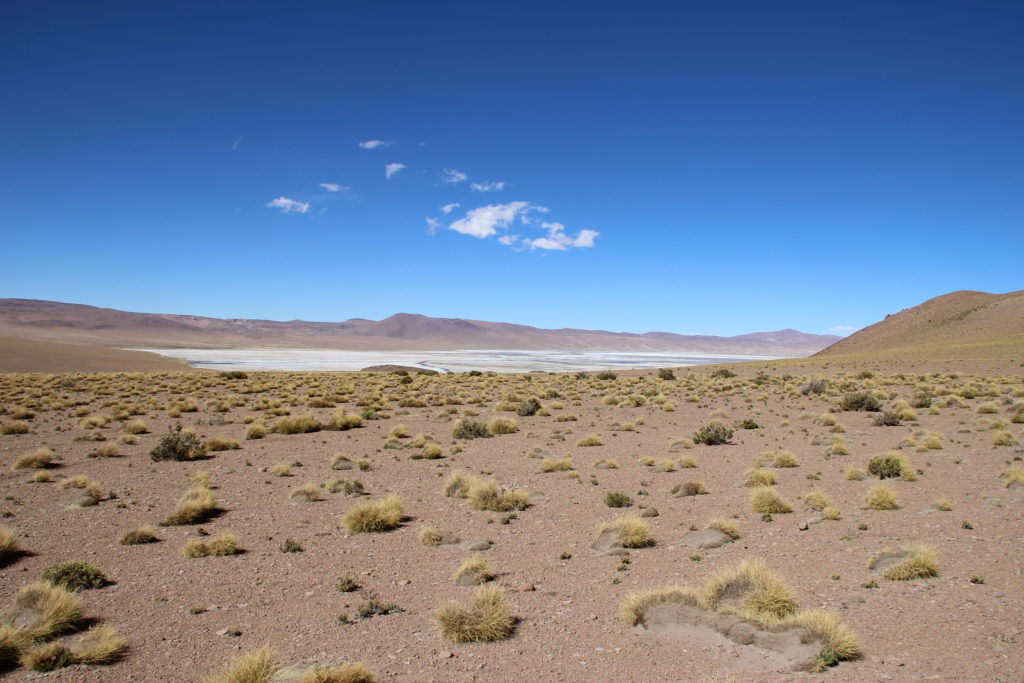
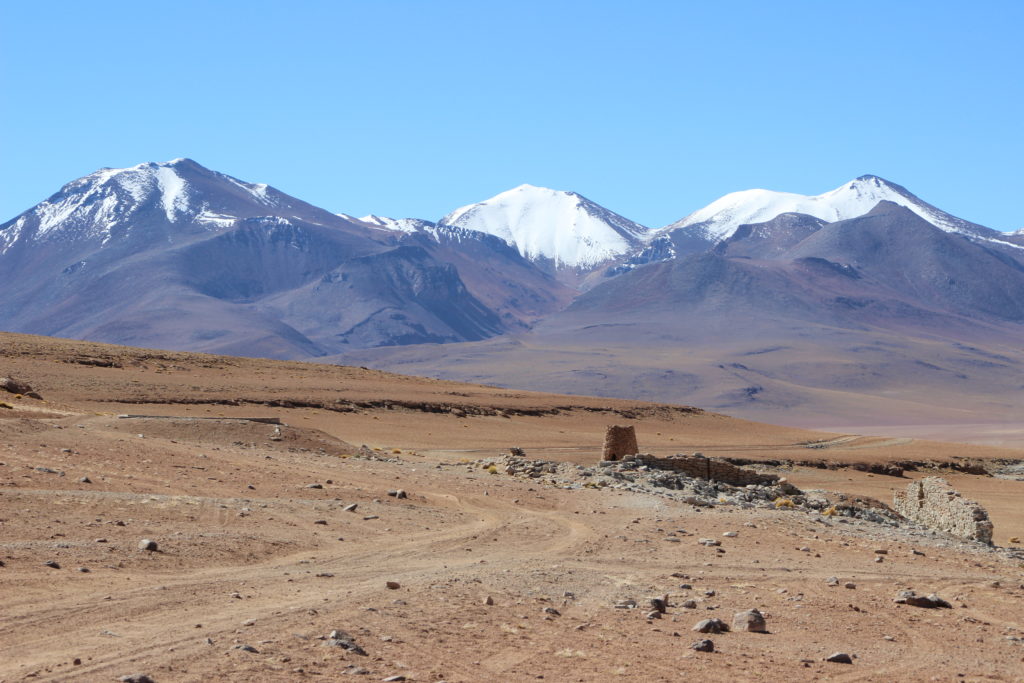
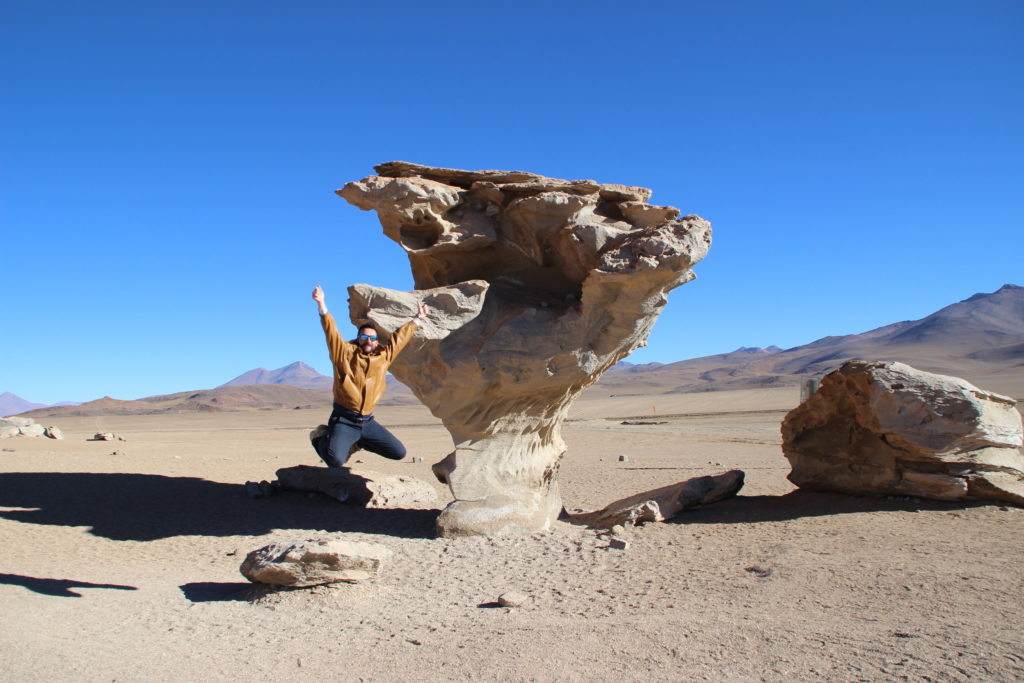
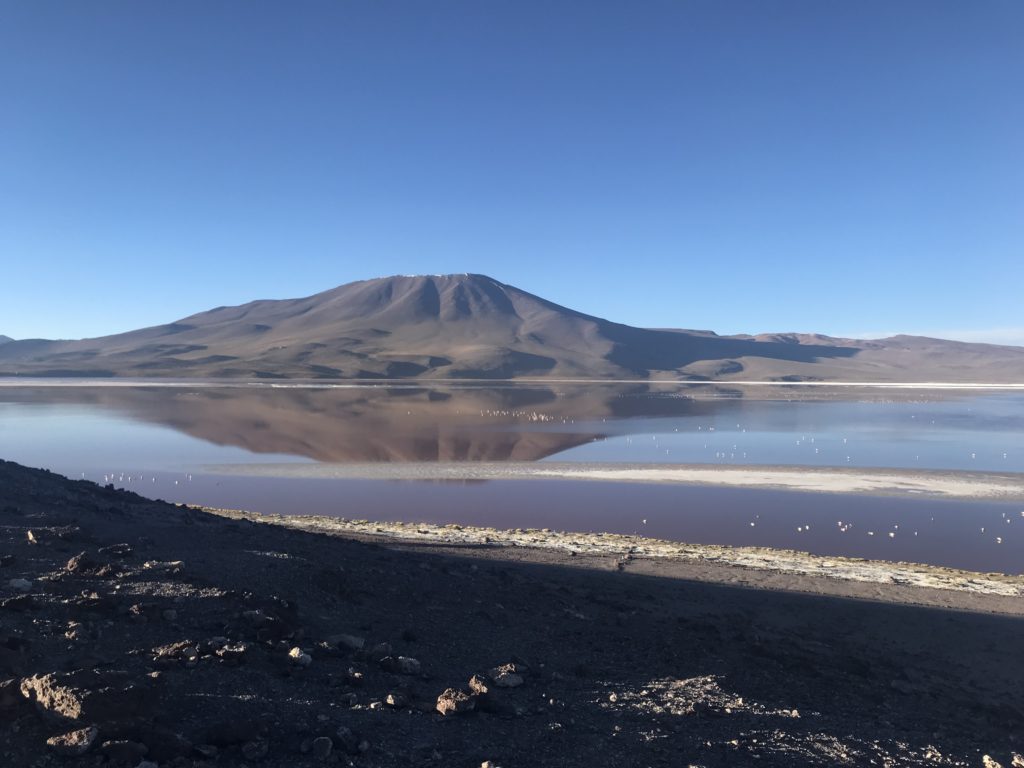
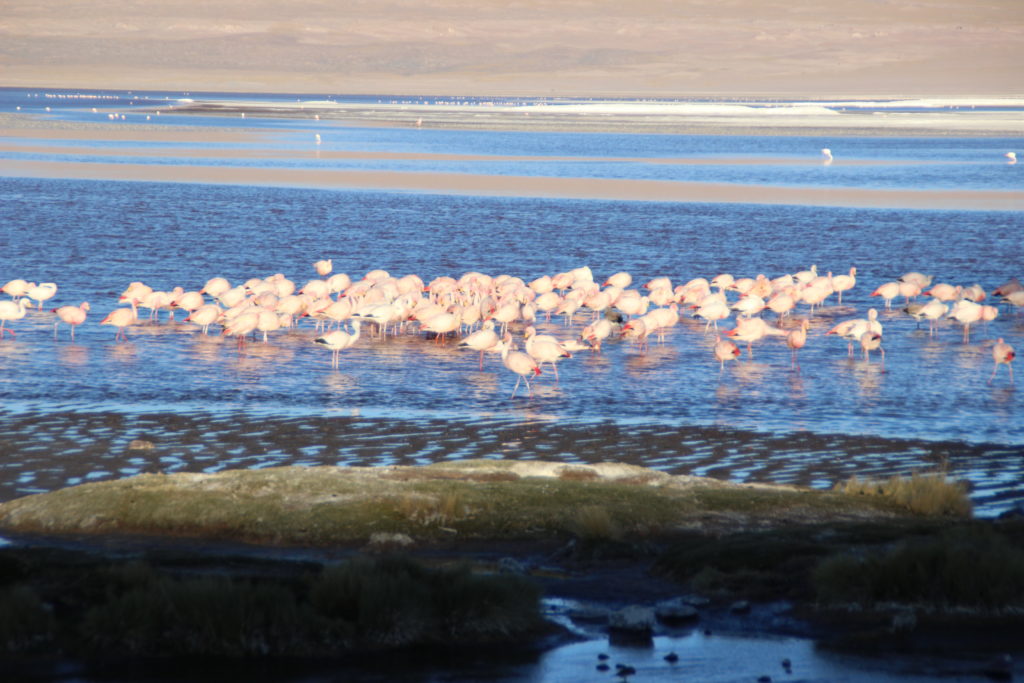
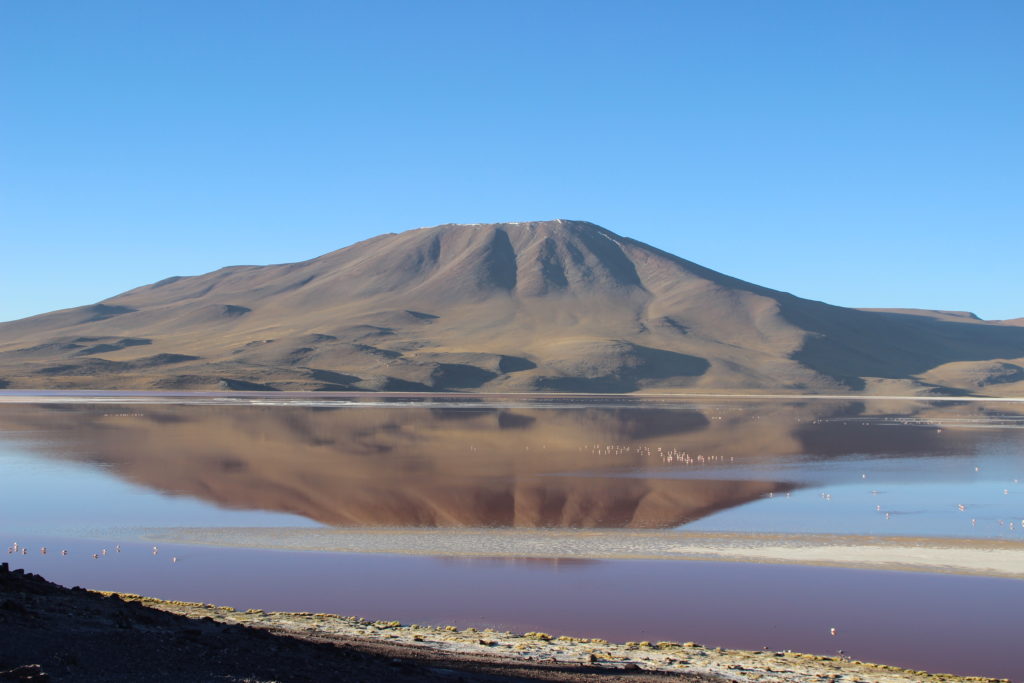
After lunch, we saw the imposing Ollagüe active volcano, which is on the border with Chile and we passed by the intermediate lagoons (Hedionda, Chiarkota and Honda) before getting to the Siloli desert. In there, we were amazed by the surreal rock formations such as the Stone Tree. After that, we finally entered the Eduardo Avaroa Andean Fauna National Reserve and saw the Laguna Colorada and its many flamingos at sunset.
📍Trip details
- 🚗 Tour: Turismo El Desierto (see the Uyuni post for all the info). They packed lunches for the trip, including locro con arroz.
- 🛏 Accommodation: we stayed at a precarious hostel close to the Laguna Colorada. There was barely light or hot water but we survived for one night and ate a light dinner provided by our driver.
If you ever travel to Bolivia, please make sure to visit the Avaroa Reserve!
Check out these other destinations in Bolivia!
***
✈️ Curious to know where I’ll be traveling next? ✈️
Stay tuned by following me on social media (Facebook, Instagram, X) and subscribe to my newsletter for regular updates!
In the meantime, safe travels around the world!
***
| GET READY FOR YOUR NEXT TRIP! |
|---|
| Book memorable activities and tours around the world with Get Your Guide. |
| Browse my travel resources page to plan your upcoming trip. |
| Check out my travel photography prints inspired by cities I’ve visited around the world. |
| Feeling adventurous? Book any outdoor activities worldwide with Manawa! |
| Get medical or health insurance via SafetyWing for extra peace of mind. |
| Looking for sports equipment? Feel free to browse my Decathlon profile for inspiration. |
| Pay in local currency with your Revolut Card when you’re traveling abroad! |
| Stay at my apartment while I´m away (Airbnb, Booking). |